Subscribed to Broke: How Recurring Charges Are Silently Draining American Households
You Didn't Sign Up for This (Or Did You?)
Think back to the last time you actually sat down and counted every subscription you're currently paying for. Not just Netflix and Spotify — all of them. The gym app you downloaded during a New Year's resolution phase. The cloud storage plan that auto-renewed in March. That premium tier you unlocked for a free trial and never canceled. The meal kit box that still shows up every Thursday even though you've cooked from it maybe twice.
If that list is getting uncomfortable, you're not alone. A 2022 study by C+R Research found that Americans underestimate their monthly subscription spending by an average of $133. The actual average? Around $219 per month — which works out to over $2,600 a year, just in recurring charges. For households juggling multiple income streams or living paycheck to paycheck, that number isn't just surprising. It's a problem.
And retailers know it.
The Psychology Behind the Subscribe Button
Subscription models didn't take over the retail landscape by accident. They were engineered to stick. When you make a one-time purchase, there's a clear moment of decision — you either buy it or you don't. But when you subscribe, the psychology flips. Instead of asking yourself "do I want this?", your brain starts asking "do I want to go through the hassle of canceling?"
That friction is deliberate. Companies design cancellation flows to be confusing, bury the option in settings menus, and sometimes require a phone call just to stop a $9.99/month charge. It's not a bug in the system. It's the business model.
There's also the sunk cost trap. Once you've been subscribed for six months, canceling feels like admitting defeat — like you're throwing away all those months you already paid for. So you keep going, month after month, even when you're barely using the service.
And then there's what researchers call "subscription stacking" — the habit of signing up for multiple overlapping services because each one seems cheap on its own. Five dollars here, twelve dollars there. None of it feels like real spending. Until you add it up.
Where the Money Actually Goes
Let's break down what a fairly typical American household subscription stack might look like in 2024:
- Streaming video (two or three services): $40–$60/month
- Music streaming: $11–$17/month
- Cloud storage (often duplicated across Apple, Google, and Microsoft): $10–$30/month
- Gaming subscriptions: $15–$20/month
- Meal kit or grocery delivery: $60–$120/month
- Beauty or lifestyle boxes: $25–$60/month
- News or magazine subscriptions: $15–$30/month
- Fitness or wellness apps: $10–$40/month
- Software tools (antivirus, productivity, creative): $20–$50/month
- Retail membership programs: $10–$20/month
Add it all up and you're easily looking at $200–$450 per month for a household that's not even trying to be excessive. At the high end, that's $5,400 a year — gone before you've bought a single physical product.
What makes this even trickier is that these charges come from a dozen different companies, hit your accounts on different dates, and often disguise themselves under parent company names you barely recognize on your bank statement.
The Fragmentation Problem
Here's where the real damage happens: fragmentation. When your spending is spread across a dozen platforms, you lose visibility into the total. You're not thinking about $450 a month — you're thinking about individual line items that each feel manageable. That's exactly how retailers want you to feel.
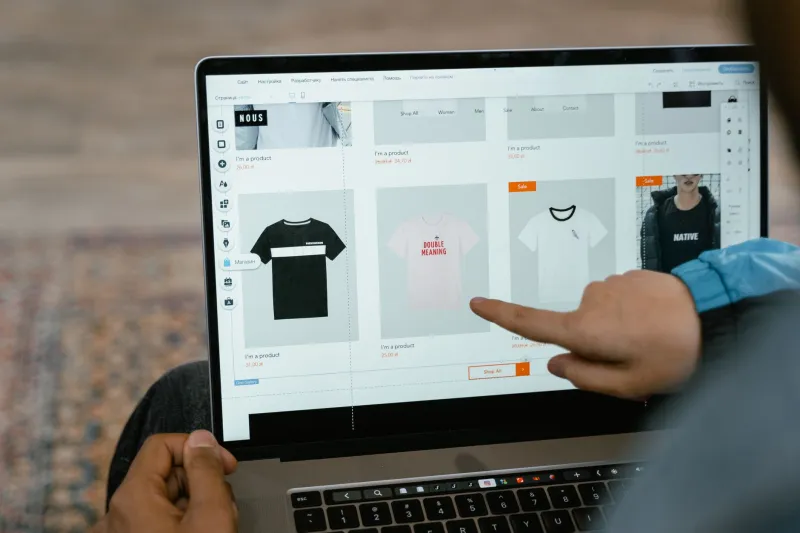
And it's not just subscriptions. The same fragmentation problem shows up across all kinds of online shopping. When you're bouncing between multiple apps and websites to buy everything from toilet paper to tech accessories, you're not just losing track of spending — you're also losing out on the efficiency that comes with consolidation. Shipping costs stack up. Loyalty points get scattered. Deals that would've applied to a larger order disappear because you split the purchase.
The solution isn't to cancel everything and live off the grid. It's to get smarter about where and how you shop — and to bring as much of that activity under one roof as possible.
What Consolidation Actually Looks Like
Shopping from a single platform that carries a wide range of products and services isn't just about convenience — it's a genuine financial strategy. When your purchases are centralized, you can actually see what you're spending. You can compare. You can bundle. You can make decisions with full information instead of fragmented guesses.
The same logic applies to subscriptions. Platforms that aggregate deals, memberships, and recurring services in one place make it dramatically easier to audit what you're paying for and cut what you're not using. A few things worth doing right now:
Run a subscription audit. Check your credit card and bank statements for the past three months and flag every recurring charge. You'll probably find at least two or three you'd completely forgotten about.
Look for overlap. Do you have three cloud storage plans running simultaneously? Two streaming services that carry most of the same content? Cutting the redundancy alone can save $30–$50 a month.
Favor platforms that bundle. Some services offer meaningful discounts when you combine products — think bundled entertainment packages or retail memberships that include delivery perks, exclusive pricing, and access to multiple service categories. These consolidation plays are often better value than paying for each piece separately.
Set a calendar reminder. For every free trial you sign up for, set a reminder two days before it ends. That's it. One habit, potentially hundreds of dollars saved per year.
The Real Cost Is More Than Money
There's something else nobody talks about when it comes to subscription overload: the mental load. Managing a fragmented portfolio of services means constantly keeping track of renewal dates, password resets, billing issues, and customer service contacts across a dozen different companies. That's cognitive overhead that adds up.
Simplifying your shopping and subscription life isn't just a financial move — it's a quality-of-life upgrade. Fewer logins. Fewer statements to sort through. Fewer "wait, what is this charge?" moments at 11pm when you're trying to balance your budget.
The subscription economy isn't going anywhere. But that doesn't mean you have to play along with every retailer's preferred version of it. Getting intentional about where your money goes — and keeping as much of your spending visible and centralized as possible — is one of the most practical things you can do for your financial health right now.
And it starts with actually knowing what you're paying for.