Why Shopping Without a Plan Actually Puts More Money Back in Your Pocket
Most of us were taught that efficient shopping means knowing exactly what you want before you start. Make a list. Search for it. Buy it. Done. It's tidy, it's logical, and — according to a growing body of shopping behavior research — it might actually be costing you money.
Here's the twist: consumers who browse all-in-one marketplaces without a rigid agenda often end up spending less overall and finding better products than those who tunnel straight toward a specific item. It's called the category trap, and once you understand it, you'll probably rethink the way you shop entirely.
The Tunnel Vision Tax
When you type a very specific product name into a search bar — say, a particular brand of stainless steel travel mug — your brain essentially locks onto that item. You compare prices across a couple of sites, maybe read a few reviews, and buy the thing. Mission accomplished, right?
Not exactly. What you never saw were the dozen adjacent products that might have served you equally well at a fraction of the cost. A slightly different brand with near-identical specs. A bundle deal that included something you actually needed anyway. A generic alternative with a 4.7-star rating and half the price tag.
Shopping researchers call this "narrow bracketing" — when buyers mentally limit their search to a predefined category and miss the broader landscape of value sitting right next to it. Specialty sites and category-specific stores actually encourage this behavior by design. They want you focused, because focus keeps you from wandering toward a cheaper substitute.
How All-in-One Platforms Break the Spell
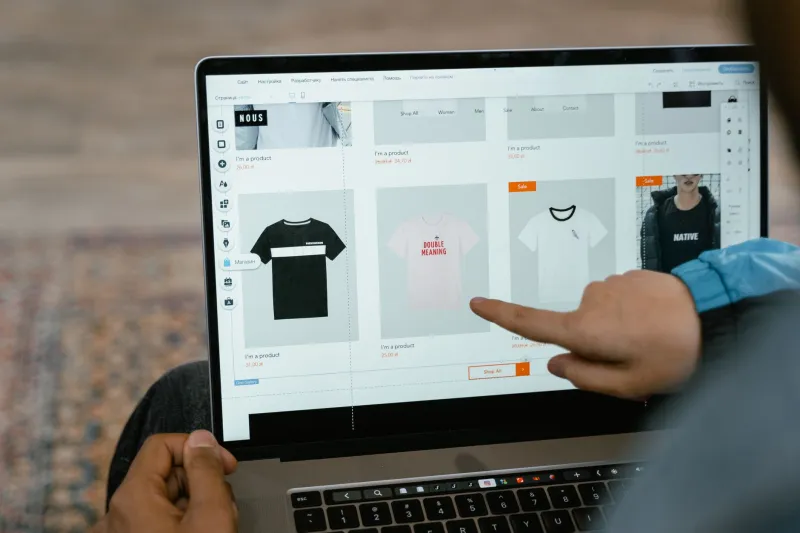
All-in-one marketplaces work differently. When you land on a platform that carries everything from kitchen gadgets to gym gear to pet supplies, your browsing pattern naturally opens up. You're not just looking at mugs — you're looking at mugs next to insulated bottles, next to a bundle that includes both, next to a flash deal on something you've been meaning to grab for three months.
This exposure effect is well-documented in consumer psychology. When shoppers encounter a wider product range, they're more likely to make what researchers call "smart substitutions" — swapping their original target for a comparable or superior product at a better price. These substitutions don't feel like settling. They feel like winning, because in most cases, they genuinely are.
A 2022 consumer behavior study found that shoppers who browsed multi-category platforms before purchasing saved an average of 18% more per transaction than those who went directly to category-specific retailers. The savings weren't from coupons or sales — they were from discovering alternatives they simply wouldn't have encountered otherwise.
The Serendipity Factor
There's also something to be said for the role of happy accidents in smart shopping. Anyone who's ever stumbled onto a markdown item while looking for something completely different knows the feeling. You came for paper towels, you left with a portable charger that was 40% off and had been sitting on your wish list for two months.
This kind of serendipitous discovery isn't random luck — it's a structural feature of broad marketplaces. When everything lives under one roof, the chances of bumping into a deal that genuinely applies to your life go up dramatically. Specialized stores can't offer that. They're selling depth, not breadth.
At AnyOfStore, this is kind of the whole point. The platform is built around the idea that your shopping needs don't exist in neat little boxes. Your cart on any given week might include a birthday gift, a replacement charger, some pantry staples, and a random thing you saw in a reel and finally decided to track down. That's real life. A marketplace that reflects real life is one that's more likely to surface the right deal at the right moment.
When Specificity Works Against You
Let's be clear — there are times when knowing exactly what you need is the right move. If you're a professional buying specialized equipment, or you need a very particular replacement part, targeted searching makes sense. But for the vast majority of everyday consumer purchases, that same specificity acts like blinders.
Consider how most Americans actually shop. According to data from the National Retail Federation, the average US consumer makes purchasing decisions across more than eight product categories every single month. That's a lot of ground to cover with a narrow, site-by-site approach. Spreading those searches across multiple specialty retailers means more tabs, more accounts, more shipping thresholds to hit, and more chances to overbuy just to qualify for free delivery.
Consolidating that browsing into a single broad marketplace doesn't just simplify the experience — it fundamentally changes what you see, and what you see changes what you buy.
Rethinking What 'Smart Shopping' Actually Looks Like
There's a cultural script around shopping efficiency that equates speed and specificity with intelligence. Get in, get what you need, get out. But efficiency in shopping isn't just about time — it's about value. And value is something you often can't find if you've already decided exactly what you're looking for before you start.
The shoppers who consistently get the most out of platforms like AnyOfStore are the ones who give themselves permission to look around. They start with a general need — something for the kitchen, something for the kids, something for the upcoming camping trip — and let the breadth of the catalog do some of the work. They compare across categories, not just across brands. They let a recommended product pull them sideways into a better deal.
It's a more relaxed approach to shopping, and it turns out, a more profitable one too.
The Bottom Line
If you've been treating online shopping like a scavenger hunt with a fixed list, it might be time to loosen up a little. The category trap is real, and it catches a lot of otherwise savvy shoppers who assume that knowing what they want is the same as knowing what's best.
Browsing broad isn't aimless — it's strategic. It's giving yourself access to the full range of what's available instead of a curated slice of it. And in a marketplace where everything is genuinely in one place, that breadth isn't a distraction. It's the whole advantage.