Not All Shelves Are Created Equal: Where Big Marketplaces Crush It — and Where They Quietly Let You Down

There's a certain comfort in the idea of a single shopping destination. One login. One cart. One checkout. Done. It's the promise that's driven the rise of mega-marketplaces over the past two decades, and for millions of Americans, it mostly holds up — until it doesn't.
The truth is, no single platform has cracked every product category equally well. Some departments are legitimately excellent — deep selection, competitive pricing, solid quality control. Others are a jumbled mess of third-party sellers, inconsistent standards, and products that look great in photos and arrive looking like a very different story. Knowing which is which can save you real money and a whole lot of frustration.
Let's break it down honestly.
Where Marketplaces Actually Deliver
Electronics and accessories are probably the strongest category across major online platforms. The sheer volume of competition keeps prices sharp, and consumer electronics are standardized enough that counterfeit or low-quality products are easier to spot and avoid. Customer reviews tend to be detailed and useful here — people who buy cables, headphones, or phone cases are generally motivated to share their experiences. Comparison shopping within a single marketplace is also genuinely efficient in this category.
Books, media, and digital goods are another area where consolidation makes total sense. Pricing is typically transparent, availability is near-universal, and there's no quality ambiguity — a book is a book. You're not going to get a knockoff copy of a bestselling novel from a shady third-party seller (well, mostly). Audiobooks, e-books, and streaming bundles that flow through these platforms add even more value.
Household basics and consumables — things like cleaning supplies, paper goods, basic pantry items — also hold up well. These are commodity products where brand recognition is strong and quality surprises are rare. Subscribe-and-save style options through marketplaces can genuinely cut costs here if you're disciplined about what you're signing up for.
Toys and games are a surprisingly solid category too, largely because major brands dominate and the products are well-documented. You know what a LEGO set is. You know what you're getting.
Where the Cracks Start to Show
Here's where it gets interesting — and where a lot of shoppers get burned without quite understanding why.
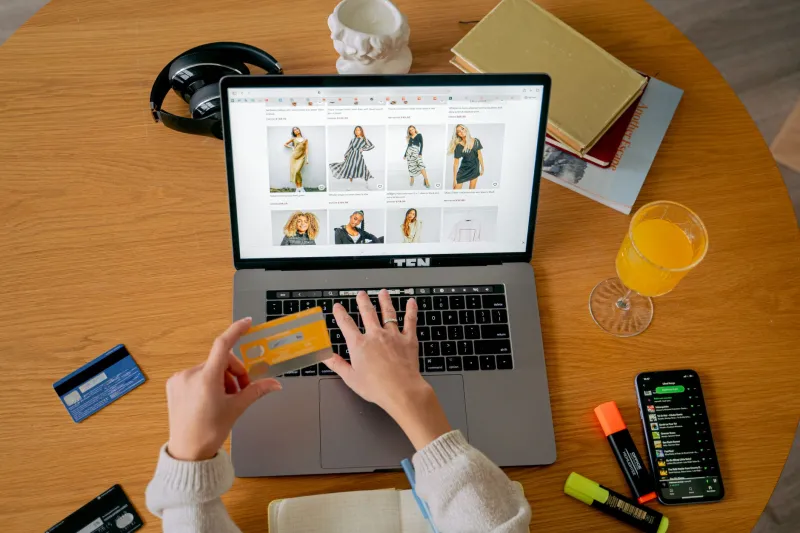
Clothing and footwear are notoriously inconsistent on mega-platforms. The selection looks enormous, and technically it is, but that breadth comes with a serious quality lottery. Sizing varies wildly between sellers, fabric descriptions are often optimistic at best, and return processes — while improving — are still a hassle. Specialty retailers and brand-direct sites almost always offer a more reliable experience here, especially for anything beyond basic basics like plain tees or athletic socks.
Furniture and large home goods are another category where the marketplace model starts to buckle. Assembly instructions that seem to be translated from a language that doesn't quite exist. Dimensions that are technically accurate but practically misleading. Delivery logistics that turn into a multi-week saga. Specialty furniture retailers, even online ones, tend to provide better quality assurance, more honest product photography, and customer service that's actually equipped to handle the complexity of large-item purchases.
Fresh and perishable food is a category where most mega-marketplaces are still figuring things out. Grocery delivery has improved significantly, but freshness, local sourcing, and produce quality remain hit-or-miss depending on where you live. Your neighborhood grocery store, a local co-op, or a dedicated grocery delivery service often wins here on quality and reliability.
Fine jewelry and luxury goods are a genuine minefield on open marketplace platforms. Authenticity is difficult to verify, and the incentive structures for third-party sellers don't always align with yours. Buying a diamond engagement ring through a marketplace listing is a very different experience than working with a certified jeweler — and not in a good way.
The Specialty Store Advantage Nobody Talks About
Here's something counterintuitive: specialty retailers haven't disappeared because they're worse. Many of them have survived precisely because they offer something marketplaces structurally can't — genuine expertise, curated selection, and accountability.
When you walk into a running shoe store, a trained staff member watches you walk and recommends a shoe based on your gait. When you buy from a dedicated cookware retailer, the selection has been filtered by people who actually cook. That curation has real value, and it's something no algorithm has fully replicated yet.
The same logic applies online. Specialty e-commerce sites in categories like outdoor gear, musical instruments, beauty and skincare, and pet supplies often carry better-vetted products, provide more useful buying guides, and have customer service teams that actually understand the product category.
A Smarter Way to Think About Where You Shop
The goal isn't to abandon the convenience of a one-stop shopping platform — that convenience is real and it's valuable. The goal is to stop assuming that convenience automatically equals the best outcome in every category.
A practical rule of thumb: the more a product depends on fit, feel, authenticity, or specialized knowledge, the more likely you are to be better served by a dedicated retailer. The more a product is standardized, commodity-like, or easily verified by specs and reviews, the more a mega-marketplace probably has you covered.
Think of it less as loyalty to a platform and more as matching the shopping tool to the job. You wouldn't use a flathead screwdriver on a Phillips head screw just because it's the screwdriver you already have in your hand.
The Bottom Line
Mega-marketplaces are extraordinary at what they do — but what they do isn't everything, even if their category pages suggest otherwise. Being a smart shopper in 2024 means knowing when to lean into the convenience of a single cart and when to step outside it for something better.
Some of the best finds and the best value genuinely do live on big platforms. But so do some of the worst purchases you'll ever make — if you're not paying attention to which category you're browsing. The one-stop shop works brilliantly for the right stops. Learning which ones those are? That's where the real savings live.