The Hidden Upside of Shopping Around: Why a Little Inconvenience Keeps Your Wallet Intact

Conventional wisdom says consolidation is king. One platform, one cart, one checkout — done. The pitch is efficiency, and it's genuinely convincing. But here's a counterintuitive question worth sitting with: what if the inconvenience of shopping in multiple places is actually doing you a financial favor?
It sounds backward. And yet, when you look at how people actually spend money online — and what behavioral economics tells us about decision-making under friction — the case for a little shopping hassle gets surprisingly strong.
Friction Is a Feature, Not a Bug
In product design, friction usually gets treated as the enemy. Remove steps, reduce clicks, streamline the path from discovery to purchase. That's the gospel of conversion optimization, and it works spectacularly well — for the platform.
For the shopper, though, friction serves a different function. It creates pause. And pause is where intentional spending lives.
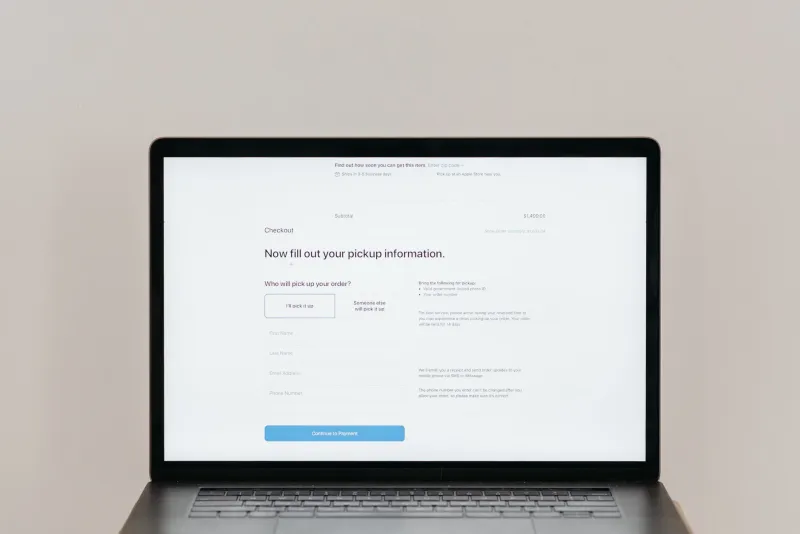
When you have to navigate to a different website, log into a separate account, and re-enter your payment information, something interesting happens: you get a moment to reconsider. Is this something I actually need? Is this the best price I'm going to find? Do I want this enough to go through the process of buying it here?
For impulse purchases — the kind that feel urgent in the moment and regrettable three days later — that moment of reconsideration is often all it takes to pump the brakes.
What the Research Actually Shows
Behavioral economists have spent a lot of time studying what happens when purchase decisions get easier. The findings are pretty consistent: lower friction environments lead to higher purchase rates, including purchases people later report regretting.
One concept that comes up frequently is "purchase momentum" — the psychological state where each item added to a cart makes the next addition feel more justified. It's the same logic that makes a $15 add-on feel trivial after you've already committed to a $200 purchase. When everything lives in one seamless environment, momentum builds fast and often goes unchecked.
Shopping across multiple platforms disrupts that momentum. Each new site is essentially a fresh start — a new cart, a new context, a new moment to evaluate whether the purchase makes sense. That reset is financially valuable, even if it doesn't feel that way in the moment.
The Tab-Switching Tax That Actually Pays Off
Let's be honest: comparison shopping takes time. Opening multiple tabs, reading different product descriptions, comparing shipping costs and return policies — it's not nobody's idea of a relaxing evening. But that time investment tends to pay dividends in a few specific ways.
You buy less stuff you don't need. When a purchase requires real effort, you naturally apply more scrutiny. If you're willing to spend twenty minutes comparing options, you've already filtered out the impulse buys — because impulse buys don't survive twenty minutes of attention.
You find better prices on things you do need. Price variance across platforms is real and significant. The same item can differ by 15 to 30 percent depending on where you buy it, particularly in categories like electronics, home goods, and personal care. Shoppers who look in multiple places capture those savings. Shoppers who stay in one ecosystem often don't even know they exist.
You make more deliberate category decisions. When you're buying everything in one place, it's easy to default to whatever the platform's algorithm surfaces. When you're actively seeking out a product on a specialist site, you're more likely to engage with reviews, compare specs, and make a choice that actually fits your needs — rather than one that fits the platform's merchandising priorities.
The Consolidation Trap
None of this is an argument against the genuine convenience of consolidated shopping platforms. For regular purchases, staples, and items where you already know exactly what you want, one-stop shopping is genuinely efficient and often the right call.
The trap isn't convenience itself — it's the assumption that convenience is always the same as value. A streamlined checkout removes the effort of buying, but it also removes the consideration. For most everyday purchases, that's fine. For bigger or less-routine purchases, the removal of friction can quietly work against your financial interests.
There's also a subtler issue: when a single platform handles all your shopping, you lose visibility into your own spending patterns. Purchases get absorbed into a single account history that's easy to scroll past without really registering the total. Spread across multiple retailers, your spending is harder to ignore — which, again, tends to result in less of it.
Finding the Right Balance
The smartest approach isn't to make shopping as complicated as possible. It's to recognize that different purchase types call for different levels of deliberation.
For recurring household staples, consolidated shopping makes total sense. You know what you need, you know what you're paying, and the time saved is real. But for one-off purchases, higher-ticket items, or categories where quality and fit really matter, taking the time to look around — even across just two or three sources — is often worth the extra clicks.
At AnyOfStore, we believe in making it easy to find what you're looking for without making it so frictionless that you stop thinking about what you're buying. That balance — between convenience and intentionality — is where smart shopping actually lives.