Why Your Favorite Specialty Store Might Already Be Losing to Your Shopping Cart
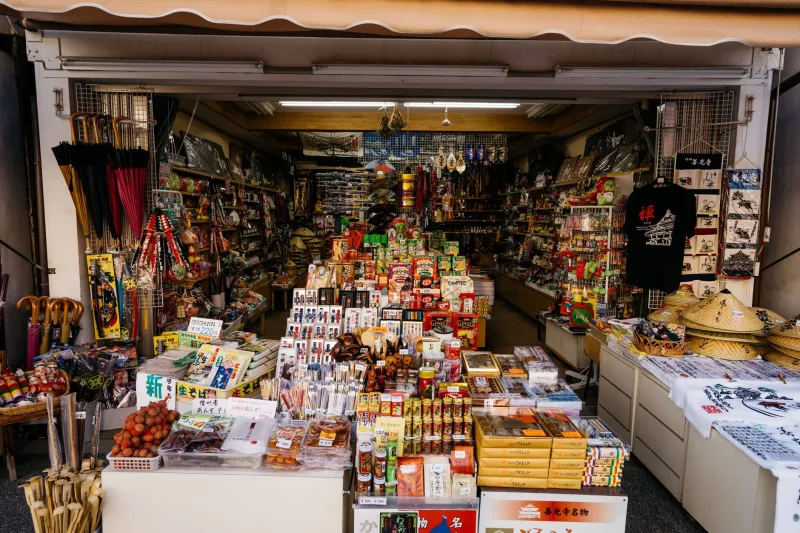
There was a time when buying a serious chef's knife meant going to a kitchen specialty shop. Finding the right fly-fishing reel meant visiting a dedicated outfitter. Sourcing quality embroidery thread meant knowing which craft store stocked the good stuff. These were places with knowledgeable staff, curated inventory, and a kind of shopping experience that felt intentional.
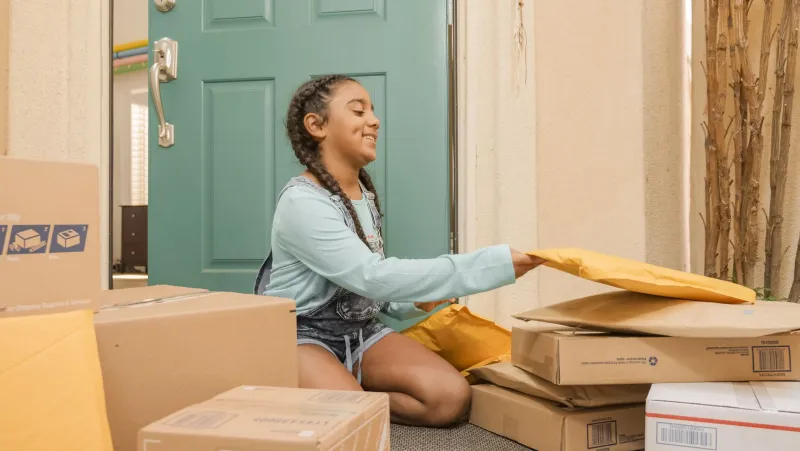
That era isn't entirely gone — but it's shrinking. And the culprit isn't just Amazon. It's the broader rise of the all-in-one marketplace model, where you can find a starter sourdough kit, a vintage vinyl cleaning brush, and a Japanese cast iron skillet all in the same cart. No driving. No specialist required.
This is worth talking about honestly — because it's complicated.
The Specialty Store Was Always a Workaround
Let's be real about something: specialty stores existed partly because general retailers couldn't stock everything well. Department stores were fine for basics, but if you needed a specific size of drill bit or a particular type of watercolor paper, you went somewhere that focused on exactly that.
Marketplaces have flipped the equation. Instead of a store that stocks 200 items in a niche, you now have platforms with thousands of SKUs across dozens of sub-niches — all searchable, filterable, and reviewable by people who actually use them.
For a lot of product categories, that's genuinely better. The depth of selection available on a well-stocked marketplace often exceeds what a physical specialty store could reasonably carry. A sourdough enthusiast can find Dutch ovens, banneton baskets, bread scoring tools, and specialty flours from small regional mills — all in one place, with user reviews from other home bakers who've tested them.
That's not a knock on specialty stores. It's just the reality of what scale enables.
Which Niches Are Disappearing First
Some specialty categories are particularly vulnerable to marketplace displacement. These tend to share a few traits: the products are easy to ship, the expertise required to choose them is learnable from reviews and descriptions, and the customer base skews younger and more digitally comfortable.
Kitchen and cooking gear is probably the clearest example. Specialty kitchen stores have been under pressure for years. The combination of detailed product listings, video content from creators, and peer reviews means most home cooks can confidently select a carbon steel pan or an immersion blender without ever stepping into a Williams Sonoma.
Craft and hobby supplies are close behind. Knitting, embroidery, resin art, model-building — these communities have migrated to online platforms where small vendors and larger suppliers coexist. The variety available through a marketplace often dwarfs what a local craft store can maintain on its shelves.
Music accessories — particularly the vinyl revival crowd — have found a surprisingly robust home online. Record cleaning kits, stylus replacements, inner sleeves, turntable mats — these are the kinds of hyper-specific items that a general electronics store never stocked and that even dedicated music shops struggle to keep in inventory consistently.
The Niches That Are Actually Thriving
Here's where the story gets more nuanced. Not every specialty category is losing ground. Some are actually growing through the marketplace model — just in a different form.
Artisan and small-batch goods — specialty food items, handmade goods, independent beauty brands — have found massive new audiences through marketplace platforms. A small-batch hot sauce producer in New Mexico or a candle maker in Vermont can now reach customers in Florida or Oregon without a retail footprint. The marketplace doesn't kill these businesses; it gives them a distribution channel they never had.
Outdoor and sporting niches have also adapted well. Climbing gear, paddleboarding accessories, trail running shoes — categories that require some technical knowledge are doing fine because the review ecosystem on marketplaces has gotten sophisticated enough to fill the gap that a salesperson used to fill.
Pet specialty is an interesting case. Despite the rise of marketplace pet product shopping, physical specialty pet stores have held on better than most — partly because of services (grooming, vet clinics) that can't be shipped, and partly because pet owners often want to see products in person.
What Gets Lost in the Shift
This is where I'll be direct: something real does disappear when specialty stores close.
The serendipity of browsing a well-curated physical space is hard to replicate online. The experience of walking into a good kitchen store and discovering a tool you didn't know you needed — that's genuinely different from a recommendation algorithm showing you "customers also bought."
Expert human knowledge is also harder to replace than platforms like to admit. A great fly shop employee knows the local rivers. A knowledgeable craft store staffer can diagnose why your knitting tension is off. Reviews are useful, but they're not the same as a conversation.
And of course, local specialty stores are often community anchors — places where hobbyists gather, classes are held, and enthusiasts connect. When those stores close, something beyond just a retail option disappears.
Where AnyOfStore Fits Into This
At AnyOfStore, we think about this tension a lot. The whole point of an all-in-one marketplace is to make shopping easier and more complete — to be the place where you can find what you need, whether that's everyday basics or surprisingly specific hobby supplies.
But the best version of that model isn't just about volume. It's about helping shoppers discover things they wouldn't have found otherwise — the kind of product discovery that used to happen when you wandered into the right specialty shop on the right day.
The marketplace era isn't going away. But the platforms that will matter most are the ones that can capture a little of that specialty-store magic — the sense that someone, somewhere, thought carefully about what belongs here and why.
The Verdict
Specialty stores aren't dying because consumers stopped caring about quality or expertise. They're losing ground because the friction of finding niche products has dropped dramatically, and the breadth of what's available online has outpaced what physical stores can stock.
Some of what's lost is real and worth mourning. But a lot of what's being built in its place — accessible, varied, community-reviewed — is genuinely good for shoppers.
The specialty store isn't gone. It's just moved into your browser tab.